Wildlife exclusion is the disciplined side of wildlife control, the part that prevents problems from recurring after the animals are gone. Trapping, one-way doors, and deterrents can remove a raccoon or a nest of squirrels this week, but exclusion keeps the next family from moving in next season. Homeowners often discover it the hard way: a quick removal without closure leads to a repeat visit, more damage, and higher costs. A good wildlife trapper knows that the job is not complete until the structure is sealed to a standard that beats claws, teeth, weather, and time.
This guide draws on years spent crawling attics, tracing rooflines, and repairing the quiet little gaps that become open invitations. It is written for property owners, facility managers, and anyone pricing wildlife removal services who wants more than a temporary fix. It covers what exclusion is and is not, where animals usually get in, how professionals build long-lasting barriers, what materials matter, and how to evaluate quotes on nuisance wildlife management so you get true value and not just a patched hole.
What exclusion really means
Exclusion means creating a continuous, physical barrier that keeps wildlife on the outside while preserving ventilation, drainage, and the integrity of the building. Think of it as weatherproofing with teeth in mind. It is not caulking the visible crack and hoping for the best. It is not a bottle of repellent sprayed at a soffit. It is deliberate construction focused on the way animals test edges and exploit small weaknesses.
Done correctly, exclusion is species-specific. A half-inch gap under a garage door will admit mice without a struggle, and it will hold out most rats if reinforced, but it is meaningless if a raccoon can peel up the corner of the door sweep. A squirrel will chew through light plastic vent covers, but a heavy-gauge screened enclosure will stop it cold. Birds require tight tolerances and UV-stable materials, while bats demand attention to minute openings along ridge vents and fascia. If the fix does not match the animal’s behavior and strength, it will fail.
A robust exclusion plan follows a sequence. First, identify the species and confirm that no animals are trapped inside. Second, install a one-way device or time the seal to natural exit patterns. Third, harden every potential entry point on the building envelope, not just the place where you hear noise. Last, reduce conditions that attract wildlife, such as food sources and harborage, so pressure on the structure drops.
The most common entry points, from the roof down
Animals do not invent new physics. They follow heat, scent, air flow, light, and the simplest path up or in. If you inspect enough homes, you see the same handful of vulnerabilities again and again.
Roof returns and builder gaps are high on the list. Where the roof meets the exterior wall, fascia and drip edge often leave a small gap. Squirrels and bats find it by feel and air movement. Squirrels pry with their front incisors until the gap is big enough to squeeze through. Bats only need a quarter inch in some cases, and their guano staining tells the story even when the hole looks impossibly small.
Dormer and valley intersections collect leaf litter and moisture. The rot here softens wood and reduces nail holding power. A raccoon can peel up a drip edge or bent shingle like opening a can. You will often find muddy paw prints and flattened shingle tabs near the lift point.
Ridge vents and static roof vents are a frequent failure point, especially the older plastic styles. Squirrels chew through brittle plastic, then nest in insulation. Once inside, they make runs along joists and chew electrical lines. Replacement with a metal baffle or an over-screened assembly is standard for durable wildlife pest control.
Gable vents invite birds, bats, and squirrels. The louver slats flex with temperature swings. If there is only insect screen behind the louvers, it might keep out wasps, but it will not stop a determined mammal. A screen with too fine a mesh, installed incorrectly, also restricts ventilation and invites condensation issues. The fix requires an exterior frame with heavy-gauge hardware cloth that holds shape and sheds water.
Soffit returns and transitions are classic raccoon entry points. The animal stands on the gutter, pulls at the soffit panel, and rides the panel down. If you see soffit panels bowed or out of their rails, assume more damage behind them. Under the soffit, the top plate gap and attic void are right there, warm and inviting.
Chimneys bring in birds and squirrels through uncapped flues, and raccoons will den on smoke shelves. A proper cap is a one-time purchase that spares you from loud spring nestlings and the occasional house fire risk from nesting material.
On the walls, utility penetrations are underestimated. The two-inch hole for a one-inch conduit leaves a ring-shaped bypass that mice and rats use like a turnstile. Foam alone does not stop rodents. It fills space and provides air seal, but it has zero bite resistance. Rodent-proof seals require metal fabric or collars and a foam or sealant used behind that armor.
At grade level, garage door side seals curl and shrink. A quarter-inch daylight at the corner looks harmless until you find mouse droppings along the inside wall. Foundation vents made of brittle plastic crumble and become a freeway for skunks, opossums, or cats to get under a home. And landscaping stacked against siding hides carpenter ant damage that opens a path for small mammals.
A full exclusion program accounts for all of these, not just the squeak in the attic.
Diagnosing the right way: species, season, and structure
Accurate identification is the spine of nuisance wildlife management. A bat maternity colony in June requires different timing than a gray squirrel family in October. A raccoon removing soffit panels likely means there are kits inside in spring. The consequences of sealing at the wrong time can be severe, from orphaned young in the attic to frantic animals tearing through drywall.
Several clues guide identification. Dropping size and shape, rub marks and hair, gnaw patterns on wood or foam, the sound signature at night versus day, and the smell profile all matter. Raccoons produce a heavy, musky odor and loud thumps; squirrels scurry and gnaw during daylight; mice leave fine droppings and run behind baseboards at night; bats chitter at dusk and leave vertical streaks of guano below exit holes. An experienced wildlife trapper listens for these cues before setting a single device.
Season and life cycle also dictate pacing. Bat exclusions pause during maternity season in many regions, often mid spring to late summer, to avoid trapping pups. Some states regulate timing and techniques for bats specifically. Squirrels have distinct breeding peaks as well. A professional who knows when to open an attic and when to wait avoids damage and legal trouble.
Finally, structure type and age matter. Homes built in the last 15 years tend to have tighter sheathing and modern ridge vent systems, but they also rely on hidden foam seals that degrade. Older homes have solid lumber and generous overhangs, but they hide rot and settle in ways that open joints at chimney and roof lines. Each era has a signature set of vulnerabilities and a matching set of solutions.
Materials that hold up and materials that fail
Exclusion is only as good as the materials that take the abuse. Animals do not respect brand names. They test with claws and teeth and leverage, and the wrong choice becomes a chew toy.
For mesh, 16-gauge, half-inch galvanized hardware cloth is a workhorse. It bends into clean frames, resists chewing by squirrels and rats, and sheds weather. Heavier gauges are appropriate for raccoon pressure, especially when spanning wider openings where leverage matters. Stainless steel mesh costs more but resists corrosion near salt air and on chimneys. Avoid light insect screen as an armor layer. It tears quickly and is for bugs, not mammals.
For flashing, prefinished aluminum is common, but it must be in a profile that resists prying. Steel offers better rigidity at edges that raccoons like to grab, though it requires careful treatment to avoid rust at cuts. Corner seams should be hemmed or wrapped, not left as raw edges that can be peeled.
For sealants, high-quality, UV-stable polyether https://jaideneguh585.huicopper.com/from-noise-to-nest-diagnosing-and-solving-hidden-wildlife-problems or polyurethane sealants bond better than cheap latex and stay elastic for years. They must back up metal, not replace it. Rodents chew many sealants unless there is a metal deterrent in front. Expanding foam has its place as an air-seal behind hardware cloth or inside a protected cavity, not as the only line of defense at an exterior hole.
For roof components, a metal ridge vent or a vent with an integrated, non-chew baffle outlasts plastic. If you retrofit screening over an existing vent, the frame should stand off the vent slightly to preserve airflow. Gable vent covers should be framed and lagged into solid members, not stapled into thin siding.
For doors and thresholds, commercial-grade brush seals and vinyl sweeps rated for rodent resistance last longer and keep their shape. Reinforce the corner where the door track meets the floor with a metal angle to defeat gnawing in that high-pressure spot.
When I audit failed jobs, I often find two patterns. Either the installer used the right materials in the wrong way, such as a heavy mesh but with gaps at the corners, or they used the right technique with the wrong materials, such as good framing over a cheap plastic vent. Getting both right is what separates durable wildlife removal services from callbacks.
Temporary devices vs. permanent closure
One-way doors and similar devices are invaluable. They allow an animal to leave and not return without the stress of trapping. Used with skill, they lower risk and speed resolution. But they are temporary tools. They must be backed up with permanent closure, or the animal will hunt for a new edge to exploit.
For squirrels, a one-way door mounted on a reinforcement panel is effective. The door funnels exiting animals without risk of reentry. Once you confirm that activity has stopped, the door is removed, and the panel is fully fastened in place. For bats, properly sized exclusion tubes or netting at exit points, combined with sealing all secondary gaps, allow the colony to leave at dusk. Timing is crucial to avoid trapping young.
Raccoons are strong. A lightweight one-way door on a flimsy soffit is an invitation to rip the assembly off the house. Here, the better approach is a reinforced one-way system tied into framing members, along with heavy gauge covers on adjacent vents. If the raccoon is a mother with kits, you may need to recover the kits and reunite them outside the structure so she relocates willingly. This kind of field decision-making is where experience matters.
Health and safety considerations
Wildlife control has health risks you cannot see from the driveway. Disturbing bat guano, pigeon droppings, or raccoon latrines can aerosolize pathogens. Hantavirus in certain regions, roundworm in raccoon feces, and histoplasma spores in bat and bird droppings are real hazards. Insulation contaminated by animal urine and feces also holds ammonia and odor that linger long after the animals are gone.
A professional will use respirators rated for fine particulates, disposable suits, and proper containment methods when cleaning. They will bag and remove contaminated insulation where necessary and sanitize surfaces with appropriate virucides. Not every attic needs a full remediation, but if droppings are heavy and insulation is matted, budget for cleanup and replacement. Skipping this step invites odor, stains, and renewed interest from wildlife drawn to scent trails.
On the roof, fall protection is nonnegotiable. Many of the best exclusion tasks happen on steep slopes at the margins of daylight. Ladder safety, roof anchors when appropriate, and working in pairs cut down on risky improvisation. You want a wildlife control provider who treats safety as part of quality, not a formality.
Costs, value, and how to read a quote
Pricing for wildlife pest control varies widely because structures vary widely. The main drivers are species, access, height, the number of vulnerable points, and whether cleanup and repairs are needed. A roofline exclusion on a two-story home with complex gables can take two technicians a full day or more. Material costs for heavy gauge mesh, chimney caps, and ridge vent replacements add up quickly.
When you review quotes, look for two things: scope and durability. Scope means the provider will address the building envelope comprehensively, not just the obvious hole. If the proposal only mentions the hole above the porch and ignores the four gable vents, the ridge, and the chimney, expect a return visit from wildlife using a different door. Durability means the materials and fastening methods match the species pressure. Look for gauge numbers, metal types, and brand or model references for caps and vents, not generic language.
Good providers also explain timing. If it is bat season and they will not seal until pups can fly, they should say so upfront. If you have roof work scheduled, exclusion should coordinate with the roofer so you do not pay twice for the same ridge vent area.
A warranty that covers reentry through protected areas for a year or more signals confidence. Understand what it covers and what it does not. If a tree falls and crushes the soffit, that is not a failure of wildlife control. But if a squirrel chews past an under-spec screen on a gable vent the provider installed, that should be covered.
A practical walkthrough: sealing a typical home
Consider a 2,400 square foot, two-story house with a history of squirrel noise each fall. The owner reports scratching at dawn and dusk and droppings in the attic near the gable end. The original builder installed plastic roof vents and basic insect screen behind the gable louvers.
The inspection finds chew marks on a roof vent, light staining below the louver edges, a gap at the drip edge on a north-facing eave, and daylight at the garage door corners. No evidence of raccoons, no bat staining, and no bird nesting.
The plan starts with scheduling a two-visit exclusion. On the first visit, install one-way doors over the chewed roof vent and a suspected soffit gap near the drip edge. Protect surrounding vents with reinforced screen boxes so the squirrels cannot simply shift entry points. Back at ground level, replace the garage door corner seals and add a small angle iron at the track corner where gnawing often starts.
On the roof, frame and install heavy-gauge covers over all static vents with stand-off to maintain air flow. At the gable ends, remove brittle insect screen and install framed hardware cloth on the exterior, anchored into studs, with hemmed edges to prevent prying.
After three to five days of monitoring without fresh sign, return to remove the one-way devices and close those openings permanently with matching reinforcement panels. The technician finishes by sealing small gaps with polyether sealant behind the metal as an air seal.
The owner gets a written map of exclusion points with photos, a one-year warranty against squirrel reentry through protected areas, and a recommendation to trim a maple limb six feet back from the roof to reduce launch points. Six months later, the attic remains quiet. The cost was higher than a simple trap-and-release, but the problem did not recur with the next cold snap.
The role of trapping within exclusion
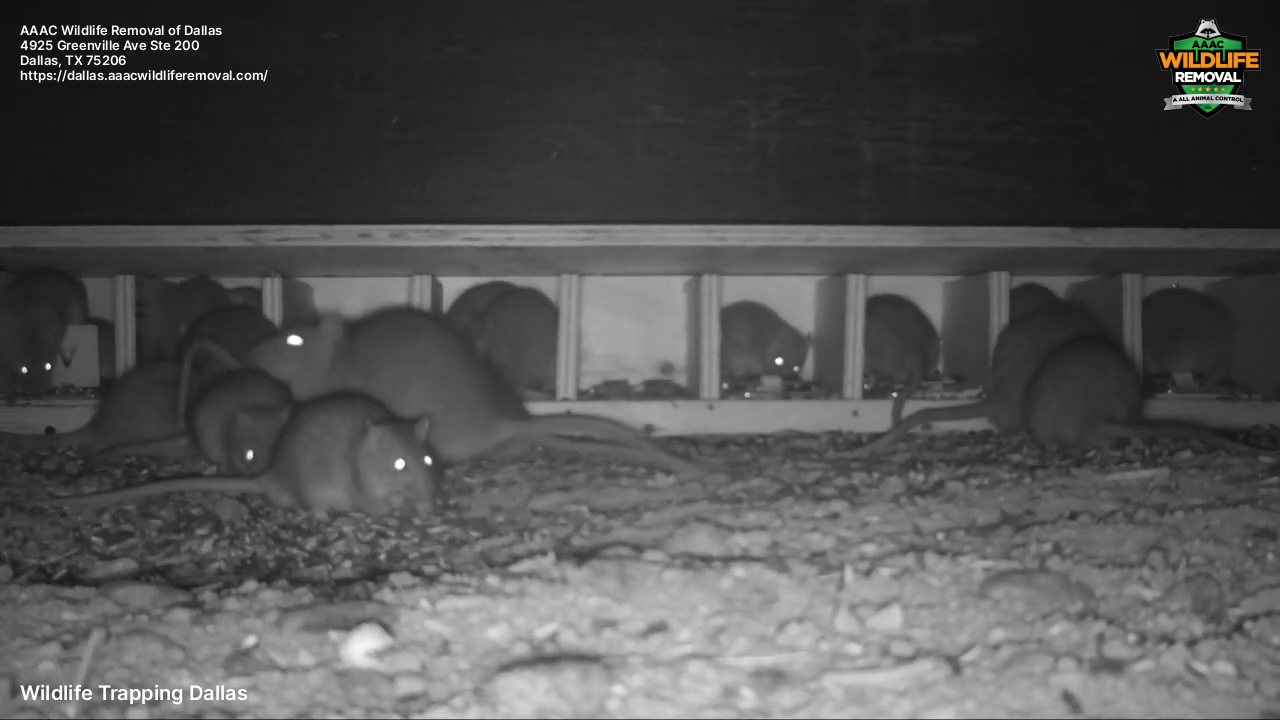
Trapping has its place, especially for species that are not using convenient exit points or when a quick removal is necessary for safety. Skunks under a stoop, for instance, might require careful cage trapping with covers to prevent spraying during removal. A nest of rats in a crawlspace calls for a rodent management plan that includes snap traps and exclusion, not one without the other.
The mistake is treating trapping as the solution instead of a step in a larger process. If you trap three squirrels and leave the building open, you have controlled individuals, not risk. More squirrels, driven by territorial pressure, will test the same easy spots. The goal of pest wildlife removal is a stable building envelope, not a body count.
Many jurisdictions regulate live trapping and relocation. Some prohibit relocating certain species due to disease control or survival rates. A reputable provider will follow those rules and explain them. Humane handling is non-negotiable, and exclusion-focused programs reduce the need for trapping over time.
Integrating pest control and wildlife control
Homeowners sometimes assume pest control and wildlife control are interchangeable. They are cousins, not twins. General pest control treats insects and sometimes rodents with baits and barriers. Wildlife control deals with larger mammals and birds that require construction-grade solutions. The best outcomes come when both are aligned.
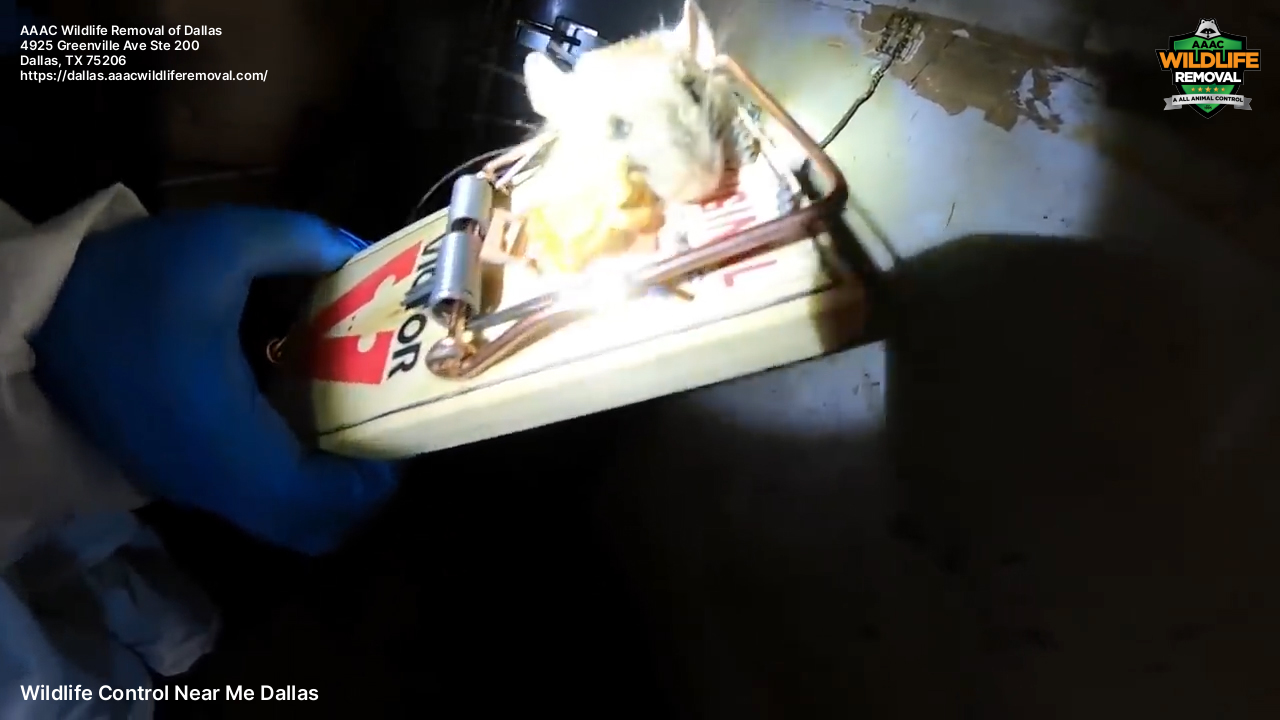
Rodent-proofing pairs with rodent baiting or trapping. Seal exterior holes with metal-backed materials, then use interior monitoring to catch any stragglers. General pest control contracts should not rely on rodenticide alone in a building with active gaps. Rodenticide without exclusion is a treadmill and can create odor problems from animals dying in walls. On the wildlife side, once the structure is tight, ongoing insect control reduces secondary attractants like ants and roaches that can draw in opportunistic mice.
For commercial sites, coordination matters even more. A grocery store or restaurant with dock doors, compactors, and roof penetrations requires a unified plan. Dock seals, compactor pads, roof vent armor, and scheduled door checks form the exclusion backbone. Then monitoring with remote sensors or regular inspections catches early activity before it becomes an outage or a health code problem.
When DIY works and when to call a pro
If you are comfortable on a ladder and the issue is small, there are tasks a careful homeowner can handle. Replacing a missing foundation vent with a metal louver and adding a hardware cloth backing is straightforward. Installing brush seals on a garage door and sealing a conduit gap with a metal escutcheon and backer are reasonable as well.
Roof work, bat work, and raccoon problems are different. The risk of falls, the hazard of improper timing in bat maternity season, and the strength of raccoons make these poor candidates for DIY. An attic contaminated with heavy droppings also calls for professional protective gear and procedures. The line is simple: if you are not sure which species you have, cannot reach the area safely, or suspect young, bring in wildlife removal services that specialize in exclusion.
Preventive design for builders and renovators
Builders can save future owners thousands of dollars with a few design choices. Use metal ridge vents or models with rodent-proof baffles. Specify gable vents with an exterior metal screen already integrated. Wrap roof-to-wall intersections with rigid flashing profiles that leave no pryable edges. Size utility penetrations correctly and use escutcheons that anchor, not just cosmetic covers.
During renovations, coordinate trades so exclusion features survive. An electrician drilling a new hole can undo a perfect seal if the gap is not backed with metal before foaming. Roofers can compromise bat-proofing at the ridge if they remove and reinstall without understanding why that extra layer of screen exists. A short toolbox talk at the start can preserve both function and warranty.
How to choose a provider for wildlife exclusion services
Finding the right partner for wildlife control is part technical vetting, part reading the approach. Ask for evidence of prior exclusion work on similar structures. Photos of before and after at rooflines and vents tell you more than a brochure. Listen for the questions they ask. If they are focused only on trapping and not on the building envelope, you may be buying a revolving service call.
Clarify materials, methods, and schedule. Good providers will name the gauge of mesh, the type of vent cover, and the sealants they use. They will talk about fastening into structure, not just cladding. They will explain timing, monitoring, and cleanup where needed. They will not promise what they cannot deliver, such as a bat exclusion during a protected maternity period.
Finally, check that they carry proper insurance and follow safety protocols. A fall off your roof is not just a bad day, it is your liability if the contractor is not covered. Reputable wildlife control companies treat this as a baseline and are happy to show documentation.
A short homeowner checklist for lasting results
- Identify the species and confirm no young are present before sealing. Address the entire building envelope, not only the active hole. Use metal-backed materials and species-appropriate gauges. Coordinate timing with life cycles and any planned roof or exterior work. Verify a written warranty on protected areas, with photos of completed work.
The long view: why exclusion is worth it
Wildlife exclusion is not glamorous. No one compliments your new hardware cloth cover the way they admire a kitchen remodel. Yet it prevents expensive repairs and protects what you cannot easily replace: wiring hidden in walls, attic insulation that keeps your energy bills sane, indoor air that does not smell like a den, and a sense of calm at night when the house is quiet. Over a five to ten year horizon, a thorough exclusion often costs less than repeated trapping calls, insulation spot fixes, and mounting frustration.
The broader neighborhood benefits too. When one home tightens up, pressure drops locally, and opportunistic animals move back to natural shelters instead of treating the street as a buffet of soft targets. Responsible wildlife pest control respects both the animals and the buildings. It removes conflict, then it designs it out of the future.
If you are hearing something in the attic, treating it as an exclusion problem from the start sets you up for success. Ask better questions, expect complete answers, and invest in durable materials. The next cold front will arrive on schedule. Your house should be ready.
