Wild animals rarely move into a building by accident. They follow a scent trail, a warm air leak, or a food source, and they stay because the conditions suit them. When people ignore the early signs, problems multiply. I have crawled through attics so thick with raccoon latrine piles that the plywood looked like a moonscape. I have seen squirrels chew live wires down to glowing copper and snakes use that same chew hole to slip into a nursery. Most property owners don’t wait out of neglect, they wait because the signs feel small or intermittent. Scratching here and there. A few droppings on the sill. The occasional smell on a wet day. By the time the situation becomes obvious, the fixes are longer, costlier, and riskier.
This is not an argument for panic. It is a nudge toward realism. Wildlife seeks opportunity, and buildings offer food, water, and shelter. If you manage a home, a farm, or a commercial facility, you manage an ecosystem whether you like it or not. Good wildlife control starts with understanding why animals target your structure, what they damage, and how to prevent the cycle from repeating.
What small signs really mean
Scratches, droppings, and noises aren’t merely nuisances. They point to species, behavior, and the severity of an incursion. A steady gnawing at dusk often indicates gray squirrels returning to a nest. Heavy thumping at night suggests raccoons. Skittering in the walls with a high-pitched chatter leans toward mice or rats, especially if you see greasy rub marks along baseboards. Guano that looks like raisins stuck to rafters is usually bats, and it will give itself away by a distinct, sweet musty odor in warm weather. Disturbed insulation, flattened into trails, rarely lies.
I once inspected a bungalow where the owner had taped over a small ceiling stain, convinced it was a roof leak. It wasn’t. A family of starlings had built a nest in a soffit. Their droppings pooled behind the stain and seeped through the drywall when it rained. The homeowner had noticed chirping for weeks but thought it came from a tree. That ceiling patch turned into a full soffit rebuild and remediation of bacterial contamination in the attic.
Those little tells matter because they guide the approach. A skilled wildlife trapper can diagnose by pattern: the timing of noises, the location of droppings, the size of gnaw holes, even footprints on dusty ductwork. Guessing leads to the wrong fix, and the wrong fix wastes money while animals keep breeding.
Health risks you can’t mop away
Most people think of bites when they think of wildlife risk. Bites are the least common problem. The real hazards are pathogens and parasites, spread by droppings, urine, blood, saliva, and the insects that live on animals.
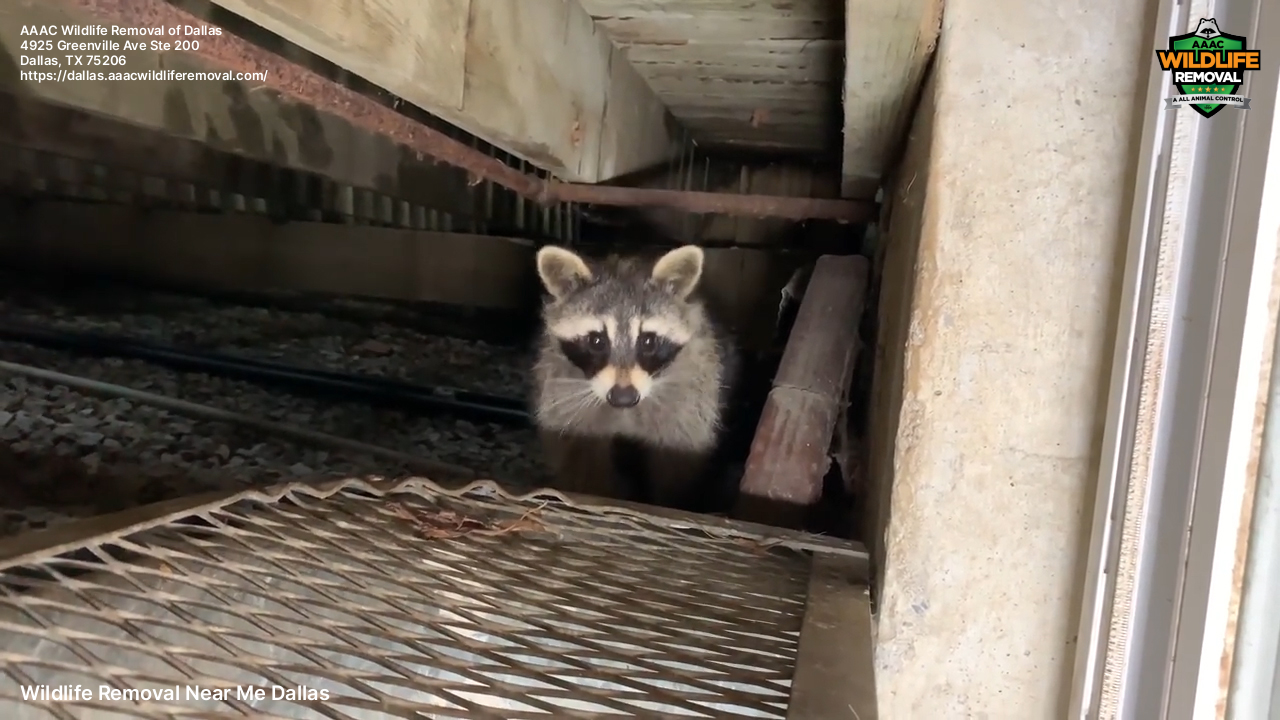
Raccoon roundworm is the example I repeat to every new technician. Raccoons often use communal latrines on flat attic surfaces. Their feces can carry Baylisascaris procyonis eggs. If those eggs become airborne in dust and are inhaled or accidentally ingested, they can cause severe illness. I have seen homeowners vacuum droppings with a common shop vac. That aerosolizes contamination and spreads it down the hall. Proper cleanup requires protective gear, negative air, and disposal protocols, not a quick once-over.
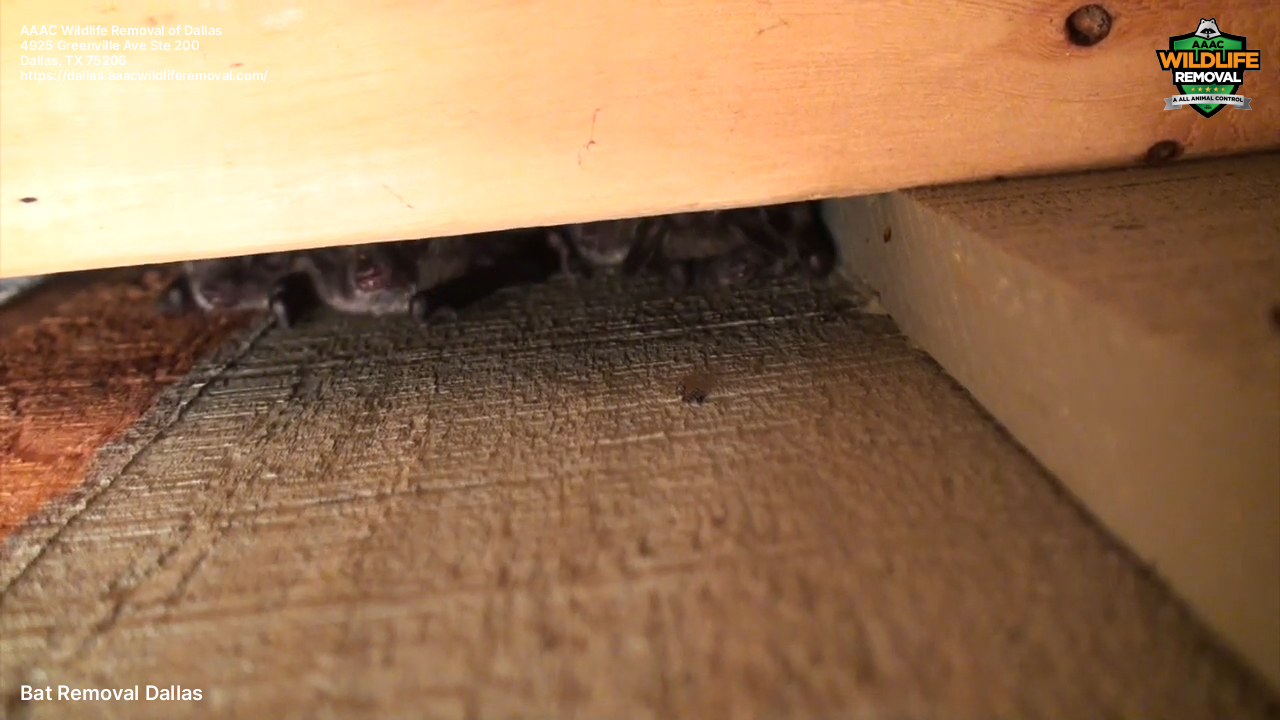
Bats bring their own hazards. Guano accumulates in blankets under roosts. When disturbed, it can release spores associated with histoplasmosis, a lung infection that can range from mild to life-altering. Again, the danger isn’t a bat swooping at your head. It’s the invisible residue that lingers long after the animals leave.
Rodents, the most common structural invaders, shed salmonella and hantavirus in droppings and urine. They also carry fleas and mites that readily jump to pets or humans. A “mice now and then” situation in a basement pantry becomes urgent when you have children crawling on the floor or an immunocompromised family member at home. Waiting until winter “when they go away” is wishful thinking. Rodents follow food and warmth; if you https://anotepad.com/notes/9atwwmxj provide both, they settle in.
Why chewed wires matter more than you think
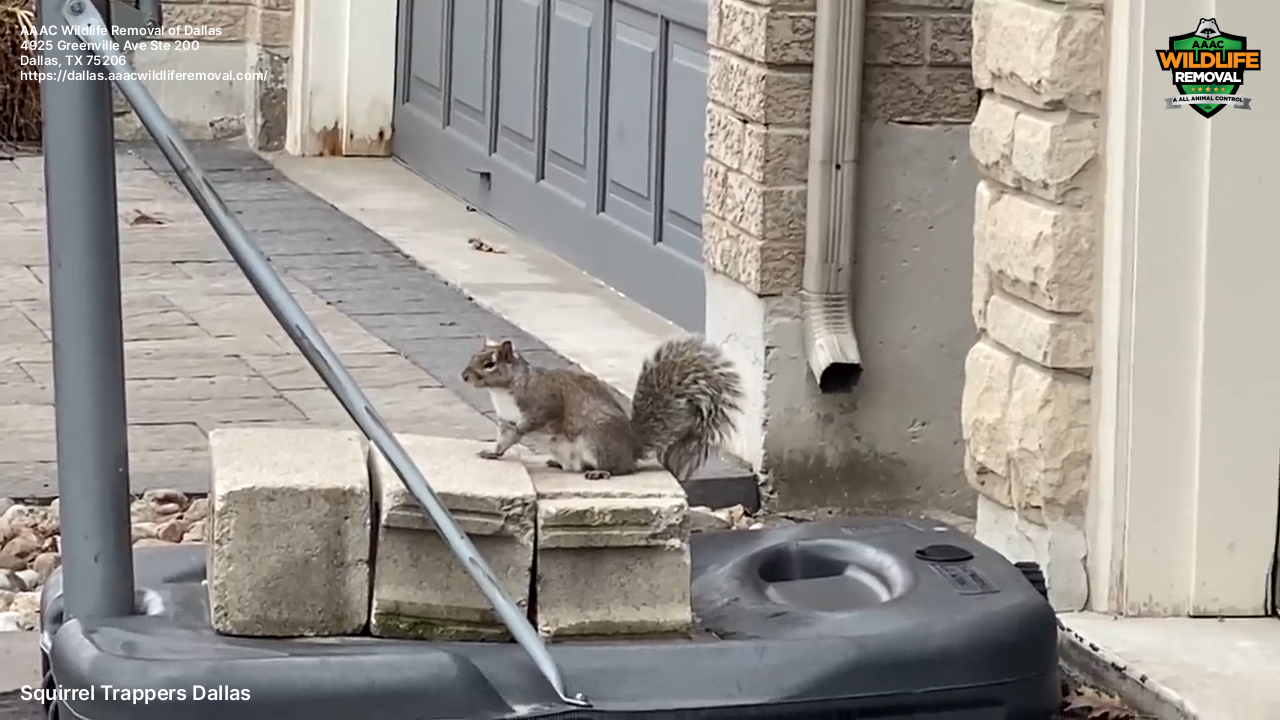
Electrical risk is the quiet giant in wildlife damage. Squirrels have teeth that never stop growing. They chew to keep those teeth in check, and the easiest targets are soft metals, insulation jackets, and plastic wire sheathing. In attics, they run along cable bundles and gnaw at the same spots where wires turn or clip to joists. Exposed conductors short against wood staples and framing, and tiny arcs smolder. Fire investigators see this pattern again and again.
I handled a suburban house where a small squirrel nest sat on top of a recessed bathroom light can. The squirrels had chewed the Romex feeding the fixture. When the homeowner turned on the light, heat built under the nest and ignited dried leaves. The house survived because a smoke detector tripped early. The insurance report cited “rodent-damaged wiring” as the ignition source. That squirrel entry cost $78,000 in repairs. A simple wildlife exclusion earlier in the season would have been a few hundred dollars.
HVAC systems also suffer. Mice shred filter media and build nests by blower motors. Their urine eats through the galvanized coating on ductwork, causing pinhole leaks. Condensate lines attract insects and reptiles. More than once I have traced an air-quality complaint to a dead rat in a return plenum. If your electric bill climbs while your comfort drops, wildlife damage in the ducts is a plausible cause, not just aging equipment.
The economics of delay
I keep numbers in a notebook because cost tells the story better than warnings. A straightforward bat exclusion on a single-family home with a clean roofline might run a modest sum, most of it in sealing and one-way valve installation. Leave that colony for a year, and now guano remediation enters the picture. Add protective containment, removal of contaminated insulation, sanitation, and replacement materials. The bill multiplies several times.
Rodent control gives a similar lesson. Catching the first wave with targeted trapping and sealing saves money. If you wait until the population reaches saturation, you need weeks of trapping, extensive sanitation, and possibly structural fixes where gnawing compromised framing or utility penetrations. The difference isn’t just dollars, it is disruption. One day of work versus repeated visits, noisy equipment, and parts of your home under plastic for sanitation.
Property managers face a different pressure. Tenants will not tolerate odors, pests, and sightings. A single raccoon sighting in a stairwell can turn into lost leases. Organizations that schedule routine wildlife control inspections every spring and fall often spend less over a five-year period than those who call in emergencies after tenants complain. The math favors prevention, not drama.
The ethics and practicality of removal
People ask for a “wildlife exterminator” when they are scared or fed up, and I understand the impulse. Still, extermination is rarely the sound choice. Many species are protected by law, especially bats during maternity season. Even where lethal methods are legal, they usually solve only the immediate symptom. Kill a raccoon without sealing the entry, and another raccoon will take that hole next season. Poison rats inside a building, and you create odor, secondary poisoning risks for pets, and blowflies clustering in vents.
Responsible wildlife removal focuses on two tracks: immediate stabilization and long-term exclusion. Stabilization means stopping transmission and damage right now. That might be one-way doors for raccoons, live trapping when necessary under local rules, or intensive interior trapping for rodents combined with sanitation and odor neutralization. Exclusion is the part too many skip, and it is where the permanent savings live. It is meticulous seal-up work with metal flashing, hardware cloth, reinforced ridge caps, vent covers rated for wildlife, and mortar or sealant suited to the substrate. If you leave a gap the width of a thumb, a mouse can use it. If you rely on spray foam without a rigid backing, a squirrel can chew through it in minutes.
What “wildlife exclusion” really looks like on a building
I have seen exclusion done beautifully and I have seen it done as window dressing. Good exclusion doesn’t advertise itself. You want the house to breathe where it should, vent as designed, and shed water. You also want every predictable animal pathway blocked with materials that match the building’s life. Here is what that looks like in practice.
A technician inspects the roof edge, not just from a ladder but from inside the attic to find daylight along fascia boards. They check ridge vents for chew points and install wildlife-rated covers or continuous metal ridge caps when appropriate. They add stainless steel screening behind louvered gable vents, secured with screws, not staples. At the ground level, they examine the sill plate and utility penetrations, sealing irregular openings around gas lines and conduit with a mix of metal mesh and sealant, not foam alone. Crawlspace vents get upgraded covers that lock. Decks get buried hardware cloth attached to the framing and run a foot or more below grade to prevent skunks and groundhogs from burrowing under.
The details matter. A little bead of silicone over a gap will look clean on day one and fail by the next freeze-thaw cycle. A piece of galvanized flashing will outlast many sealants and cannot be chewed. A dryer vent cover chosen for aesthetics can trap lint and invite nesting birds. A wildlife-rated vent with a proper damper costs a bit more and saves headaches. When a client asks me whether exclusion is “worth it,” I tell them to compare it to locks. You install locks not because you expect a break-in tomorrow, but because the likelihood over years is high enough that a small investment makes sense.
When to call a professional, and what to ask
Some homeowners handle light rodent control on their own. Snap traps, a weekend of sealing obvious gaps, and a good cleaning can solve a small issue. The line where a pro is needed appears sooner than many expect, especially with attic wildlife, chimneys, and structures with complicated rooflines. If you smell strong ammonia, see bat guano, hear heavy nocturnal thumps, or find multiple entry points along the roof, bring in a specialist.
When you talk to a wildlife control company, ask concrete questions. What species are you treating, and how can you tell? How do you plan to remove or evict them? What is the timeline, and how do you verify that all animals, including young, are out before sealing? What exclusion materials will you use, and where? What sanitation steps are included, and what is considered additional? A company that emphasizes wildlife removal and wildlife exclusion, rather than only trapping, is usually thinking beyond the quick fix.
It also helps to clarify legal and seasonal constraints. Many regions restrict bat exclusion during maternity season to prevent sealing in pups that cannot fly. Some municipalities require permits for handling certain animals. Responsible operators know these rules and explain them without hedging. If someone promises same-day total extermination of a protected species, start asking tougher questions.
The myth of “they’ll move on when it gets warm”
Seasonality does influence wildlife behavior, just not the way most people expect. Bats not actively rearing pups may migrate. Raccoons shift den sites more often in spring. Squirrels and rats breed in bursts, with population peaks predictable by latitude. But animals follow opportunity. If your attic offers safety and a stable climate, heat waves or a new season won’t push them out. I have removed raccoons from attics in July and February alike. Mice ignore the calendar if kitchen habits supply a steady buffet of grains and fats. Waiting for weather to solve an invasion is like waiting for rain to fix a leaky pipe.
Hidden structural damage and why inspectors miss it
General home inspectors do good work, but their time on site is limited and their scope is broad. Wildlife damage hides where time and equipment are needed. In crawlspaces with tight clearances, you need a low crawler or a determined stomach. In cathedral ceiling voids, you need thermal imaging to spot insulation displaced by nests. I have opened soffits to find carpenter ants thriving in damp wood softened by raccoon urine. The home had passed inspection because the soffits were intact from the ground and the attic hatch was painted shut.
Chew damage to sheathing and joists rarely jumps out. Squirrels will widen knots and soft spots, then pack the area with nesting material that disguises the edge. Bats enter along breaks in flashing where shingles overlap aluminum. From the driveway everything looks fine. Water stains that appear only during wind-driven rain signal tiny flashing failures that also serve as animal doors. If you are buying a property with mature trees overhanging the roof, plan on a dedicated wildlife control assessment. It is a small fraction of the purchase price and can prevent a rough surprise after closing.
Wildlife around farms and commercial sites
Residential buildings are just one battleground. Farms, warehouses, and food-service facilities face higher stakes and different patterns. Grain storage attracts rodents and birds in numbers that dwarf what a typical home sees. If doors do not close tightly or dock levelers leave gaps, rats will exploit them. Birds will nest in sheltered beams and foul inventory. I have seen forklift charging stations compromised by gnawing, with exposed DC cables and acid vapor corrosion. The fix begins with infrastructure: brush seals at dock doors, kick plates on personnel doors, bird netting in open trusses, and disciplined housekeeping.
Food businesses must add sanitation and documentation. If a health inspector finds droppings in a dry-goods storage area, you will answer questions about your wildlife control program. A professional schedule that combines monitoring, rapid response to activity, and thorough exclusion not only protects inventory but also proves diligence. The alternative is reaction after a customer posts a video of a rat in your dining room.
The humane dimension
People who care about animals often feel torn when a raccoon appears on their roofline. They don’t want harm to come to the animal, but they also want their home intact. Humane wildlife control respects both aims. Eviction through one-way doors preserves family units when timed properly, allowing mothers to relocate kits or pups. Sealing after proof of exit prevents re-entry without resorting to lethal tactics. Nesting material can be relocated to a nearby shelter box in some cases, especially with squirrels, making the transition smoother.
Humane doesn’t mean naive. Feeding wildlife on your porch while asking for wildlife removal from your attic is a losing loop. Food conditioning increases boldness. If you want to be kind, secure your trash, feed pets indoors, and let animals remain wild and wary. Kindness is measured in lower conflict, not closer proximity.
When chemicals are the wrong answer
Poison looks easy, and in pest control marketing it often is marketed as a set-and-forget device. In structural wildlife conflicts, rodenticides are fraught. Secondary poisoning of raptors and neighborhood cats is real. Dead animals in wall cavities and ceilings create odors that last weeks, not days, and they draw blowflies and dermestid beetles. Then you face removal of the carcass behind finished surfaces. For non-rodent wildlife, toxicants are usually illegal and unnecessary. Proper wildlife removal paired with exclusion does the job without turning your walls into a mausoleum.
Repellents have similar limits. I have tested peppermint oil, predator urine, sound machines, strobe lights. At best you buy time. At worst you waste money while the animals grow accustomed to the irritation. Use them only as an immediate stopgap while real work is scheduled, not as a plan.
Weather, materials, and warranty reality
Clients sometimes ask why we refuse to install exclusion in heavy rain or during a freeze. Sealants do not adhere properly in those conditions, and metal work can warp during expansion and contraction if installed without accounting for temperature. A rushed job fails at the first season change. The best wildlife control companies will explain timing, schedule return visits to verify seals after weather cycles, and warranty their work in writing. Read that warranty. If it excludes the roof but your entries are on the roofline, you might be buying false comfort. If it requires you to maintain trees trimmed away from the house, that is not the company hiding. That is reality: branches are bridges, and bridges defeat even good exclusion.
A practical path forward
If you have activity now, act in two phases. First, stabilize: identify the species, stop access to living spaces, manage immediate health concerns with protective cleanup where necessary, and deploy proper removal or eviction methods. Second, prevent recurrence: perform a full exterior and attic or crawlspace inspection, document all entry points, and complete wildlife exclusion with durable materials. Follow up with sanitation and insulation repair if contamination exists. A week of coordinated work beats months of piecemeal improvisation.
If your property is quiet today, pick a date twice a year to walk the exterior with intention. Look for gnaw marks on soffits, lifted shingles at edges, gaps around vents, torn screens, burrows under stoops, and trails in mulch leading to foundation gaps. Lift the attic hatch with a flashlight and take a slow sweep. Trust your nose. Ammonia, musky sweet, or rancid odors deserve attention. Early detection paired with prompt wildlife control is the cheapest insurance you can buy.
Here is a short, focused checklist I give to homeowners to catch issues early:
- Trim tree limbs back so they do not overhang or touch the roof, ideally keeping a three to six foot gap. Upgrade dryer, bath, and kitchen vents to wildlife-rated covers; avoid louvered plastic models that birds can nudge open. Seal gaps around utility penetrations using copper mesh backed by high-quality sealant, not foam alone. Install chimney caps rated for wildlife, and inspect them after storms. Store pet food and birdseed in metal containers, and feed pets indoors.
Respect the problem, solve it once
I have never met a building that benefited from waiting out wildlife. The risks creep in quietly, then erupt when you least expect it: the flicker of a ceiling light that should not flicker, the odor that lingers after cleaning, the chirps behind a vent at dusk, the brown stain that grows with each rain. Whether you live in a small cottage or manage a sprawling warehouse, treat wildlife control as a maintenance discipline, not an emergency service. Use a professional wildlife trapper when the situation warrants, insist on thorough wildlife exclusion, and measure success in months of silence. That silence is not luck. It is the sound of a structure that has no invitations left to accept.