Wild animals do not read property lines. They follow scent, shelter, and calories. If your home offers attic warmth, dog food on the porch, or a crawlspace with an easy gap, wildlife will test those opportunities. The challenge for families is straightforward: solve the problem without putting children, pets, or the animals themselves at risk. That requires a different mindset than old-school poisons and snap traps. It means thinking like a builder, a gardener, and a cautious neighbor all at once.
I have spent years in wildlife control, working jobs where a raccoon wedged herself into a chimney five minutes after a toddler’s nap time, and a frantic homeowner waved a bag of mothballs like a magic wand. The safest solutions rarely feel dramatic. They are measured choices paired with steady work. When they are done right, nothing “happens,” which is exactly the point.
Why safety-first wildlife control looks different
Poisons and indiscriminate traps are blunt tools. They can leave bait where a curious child might explore or a Labrador might inhale. They also create long-tail problems: an animal that eats a poisoned rodent often dies in a wall or under a deck, leading to odor, insects, and secondary poisoning of scavengers. Families then face cleanup and expensive repairs, which defeats the reason they wanted a quick fix.
A safety-first approach starts earlier in the chain. It removes attractants, locks down the building, uses deterrents with a narrow and predictable effect, and reserves hands-on wildlife removal for situations where an animal is truly present. It requires patience, a tight process, and a clear end point. You are not at war with nature. You are rewriting the invitation.
Reading the situation: the difference between noise and evidence
I get calls about “something in the attic” after the first cool night in September. Houses make sounds as wood contracts. Squirrels are daytime sprinters; rats keep a steady 2 to 4 a.m. schedule; raccoons thunk and shuffle; bats click and flutter. Before you run to buy gear, slow down and observe. You are looking for patterns.
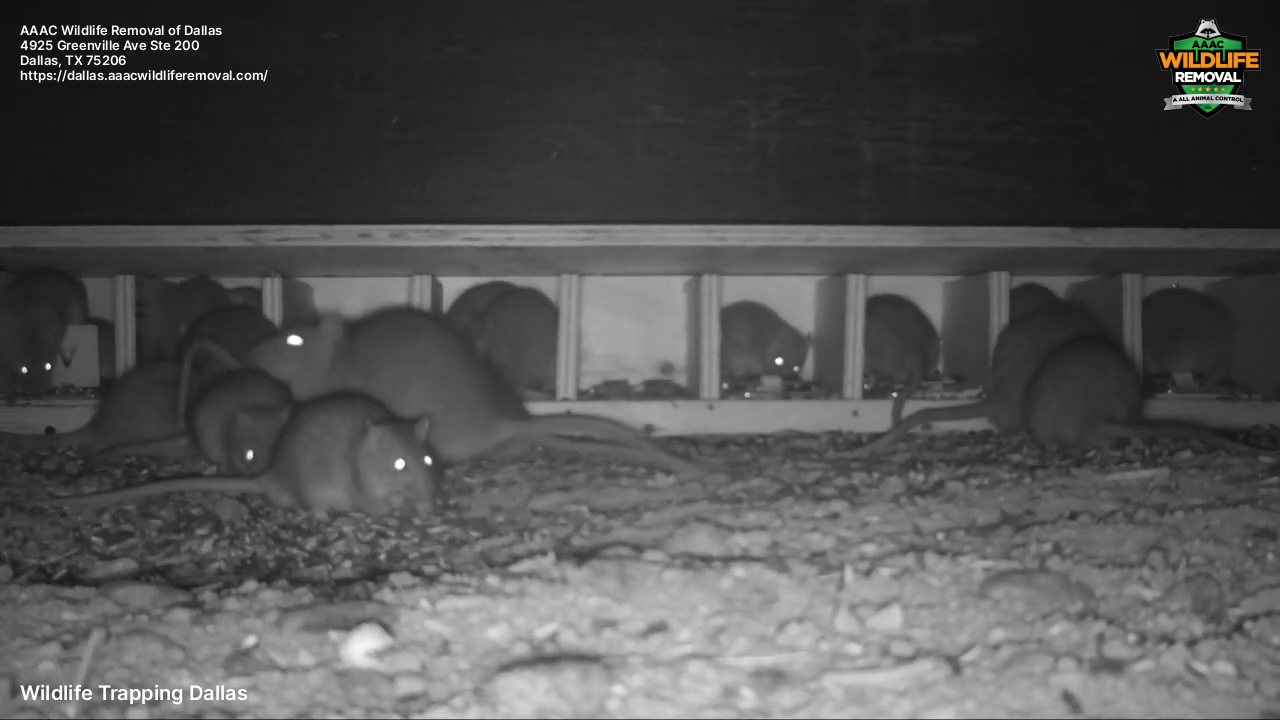
Set a simple log on your counter for three nights. Note the time of noises, whether they are fast or heavy, day or night. A squirrel that taps along joists at 8 a.m. is a different project than a rat that travels baseboards at 3 a.m. Step outside with a flashlight at dusk and dawn. Scan rooflines, soffit gaps, and the edge of the chimney cap. Look for oily rub marks near a hole, droppings on a window ledge, chewed soffit corners, shredded insulation protruding from a gap, and tracks in dust. Ten minutes of observation will save you hours of chasing the wrong species.
Families with pets should also check the yard for dig spots and disturbed mulch, especially along fences. Dogs often find burrow mouths before humans do, which is helpful but can also create risk if the burrower is a skunk. If your dog’s face smells like burnt rubber, assume there is a skunk den nearby and do not let the dog out unsupervised until you assess the situation.
The hierarchy that keeps people and pets safe
Professionals follow a rough order of operations because it works and limits risk. First, reduce attractants. Second, block access. Third, deploy deterrents where they make sense. Fourth, when wildlife is trapped inside or truly entrenched, carry out targeted wildlife removal with live-capture methods and verified release or relocation consistent with local law. A competent wildlife trapper is not a “wildlife exterminator” in the old sense. The best ones exclude, educate, and only trap when necessary.
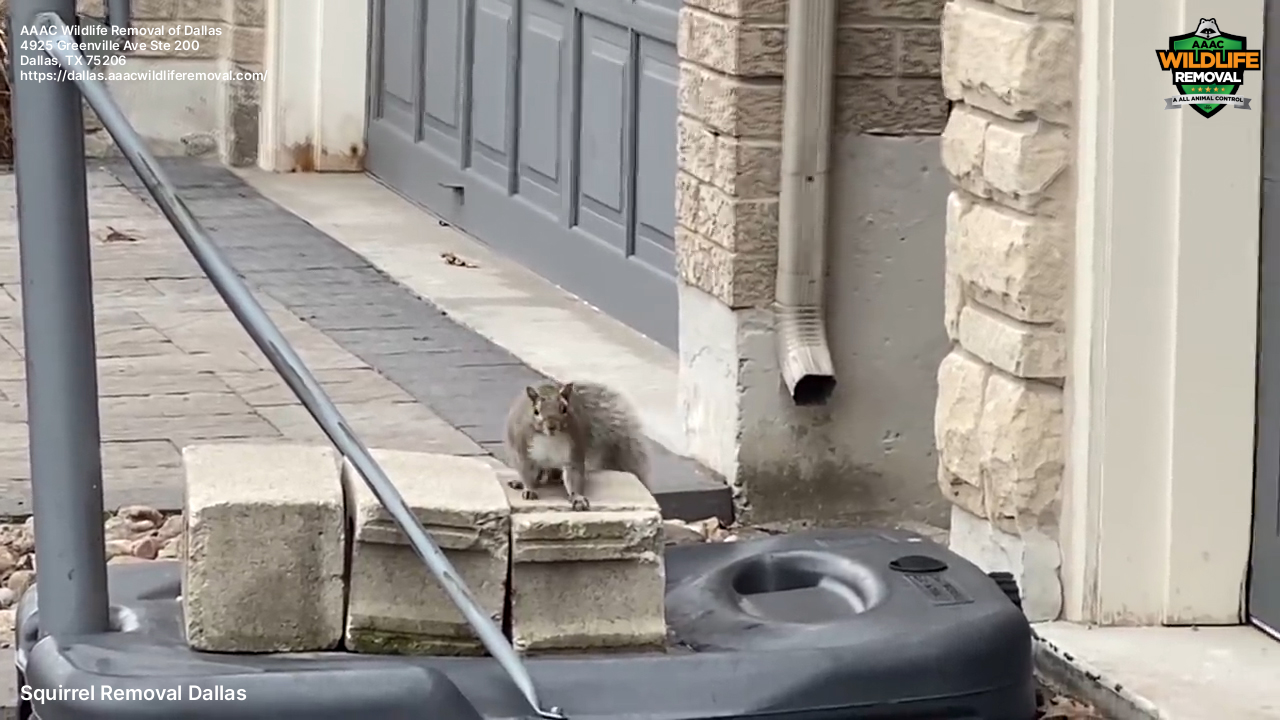
Remove the draw: food, water, shelter
Every urban visit starts with a walkabout. If you have open compost, pet food on the porch, a chicken coop without hardware cloth, or a bird feeder raining seed on the ground, you have a rodent buffet. Pet bowls outside attract raccoons and skunks. A leaky spigot provides water for opossums and rats. An open crawlspace vent with a torn screen is an invitation to anything that fits.
There is a simple rhythm that helps. Bring pet food inside at dusk. Use metal trash cans with tight lids, or strap standard cans shut with a bungee and a hook fastener high on the handle so raccoons cannot open them. Clean your grill, including the drip tray, after weekend cookouts. If your children snack on the deck, give it a quick sweep. Stack firewood at least 20 feet from the house and raise it 8 to 12 inches off the ground using cinder blocks or a rack so mice do not nest underneath. If you keep chickens, invest in half-inch hardware cloth, not chicken wire, which is essentially decorative against raccoons.
For water, fix drips and level low areas where puddles collect. A bird bath is fine if you maintain it, but be aware it can attract more than birds in summer droughts. As for shelter, the list of common breaches is short but consistent: gaps at the garage door weather strip, rotted fascia board at gutter ends, missing or bent soffit vents, gaps around utility penetrations, and uncapped chimneys. One thumb-size gap is enough for a rat or a bat. A softball-size hole is an open door for a raccoon.
The art of wildlife exclusion
Wildlife exclusion is the cornerstone. It means making the house boring to wildlife. It looks like tedious carpentry and metalwork, but it is where you protect children and pets most effectively, because it avoids confrontations altogether.
The materials are simple. For rodents, use quarter-inch hardware cloth, galvanized steel mesh that resists chewing. For larger animals, half-inch is fine. For gnawed holes at trim boards, chew-proof patches with metal flashing plus wood repairs stop repeat entry. Expandable foam alone does not work; think of it as a draft seal under a metal cover, not a structural fix. Under decks and sheds, trench a skirt of hardware cloth. Dig eight to twelve inches down at the edge, bend the bottom out in an L shape, then backfill. That buried flange stops diggers from going under, and once it is set you can forget about it for years.
Chimneys deserve special attention. A spark arrestor is not a wildlife guard. You want a stainless or heavy galvanized cap that fits tight to the flue tile with a side https://rentry.co/tnsvwuxp screen strong enough to resist a raccoon’s hands. If you burn wood and have small children, have a sweep inspect annually; raccoons prefer warm chimneys, and a nest can block flue gases. Dryer vents are another frequent entry spot. Replace louvered vents that stick open with a pest-proof cover designed for dryer airflow, not a generic screen that can trap lint and pose a fire hazard.
When I do an exclusion, I badge every suspected entry with a removable indicator. A scrap of tape across a gap, a loose plug of wadded paper in a hole, a dab of petroleum jelly on a suspect rub route. If any of those are disturbed overnight, I know we have active traffic. That matters because you never want to seal an animal inside if you can avoid it, especially during spring when litters are present. An exclusion that strands babies turns into a rescue that nobody enjoys.
Timing around nesting and pupping seasons
Most families do not track wildlife calendars, but a pro thinks in seasons. In much of North America, squirrels set up nests in late winter and again in late summer. Raccoons whelp in spring. Bats form maternity colonies in early summer, and it is often illegal to exclude them during those weeks because pups cannot fly. Skunks and opossums have their own windows, and rodents breed year round with a peak around fall.
The ethical rule is simple: if young are likely present, hinge your approach toward one-way exits and reunification, not permanent sealing. With raccoons, I have used a one-way door over the entry and placed the nestlings in a warmed reunion box right outside the opening. The mother retrieves them and moves them to a secondary den. That process looks like magic to homeowners and avoids both dead animals and a furious parent tearing a new hole. It also keeps you away from the mother, which is safer for kids and pets who share the house.
With bats, wait for the exclusion window approved by your state wildlife agency. Install one-way tubes or netting that let bats exit at dusk. Keep them in place for a week so the full colony cycles out, then remove the devices and seal the holes permanently. Bat guano cleanup afterward requires respiratory protection and controlled disposal, which is a good moment to involve a licensed wildlife removal company if you do not have the gear.
Deterrents that work without collateral damage
Deterrents are not magic; they finish what exclusion and sanitation start. Used alone, they disappoint. Used as part of a plan, they can tip the balance without risk to kids or pets.
Light and sound devices marketed to scare wildlife are hit or miss. Animals habituate quickly unless the stimulus is tied to a real cost. Motion sprinkler systems for gardens are a better bet. They trigger only when an animal passes and deliver a quick burst of water. I have watched a raccoon leap two feet backward when hit. The key is placement: aim them across travel paths, not directly at sidewalks or play areas. Check the arc so you do not startle a child or soak the mail carrier.
Taste and scent repellents vary. For deer and rabbits, egg-based repellents and capsaicin products work when applied faithfully every two to four weeks and after rain. They are generally safe when used as labeled, but always store them out of a child’s reach, as you would any household chemical. For rodents, peppermint oil smells pleasant but does little. You might shift travel briefly, not eliminate it. Ammonia and mothballs belong in the “do not” category around children and pets. Mothballs contain naphthalene or paradichlorobenzene, both toxic. Sprinkling them in crawlspaces or attics does not solve entry problems and adds poison to your enclosed air.
Predator urine products generate debate. In my experience, they can move a timid rabbit, not a determined raccoon. They also smell, and you do not want a curious dog or toddler touching those stakes. If you insist on trying them, keep them outside the fence line and out of reach.

For cats that hunt songbirds, a simple collar with a bright, wide fabric “scrunchie” style guard reduces kill rates. As a wildlife control professional, I prefer to prevent the hunting rather than clean up the aftermath. It is part of the same ethic: manage the environment to reduce harm.
Traps, and the careful line between useful and risky
The safest trap is one you do not set. When the situation requires it, choose tools that respect your household.
Snap traps for mice and rats can be lethal to a small paw and painful for a curious hand. If you use them, place them in lockable tamper-resistant stations secured behind appliances or inside cabinets with childproof latches. Avoid poison baits entirely in family homes. Even in stations, poisoned rodents wander and die in hidden voids, and pets can be exposed. I have removed more dead rats from wall cavities than I care to count after a homeowner tried a cheap bait. The odor lingers for weeks. Children crawl on that floor.
Live-capture box traps have a place for larger animals, but they require judgment. A raccoon in a trap can injure itself and anyone who approaches. Dogs investigate and tip traps. Place traps under a crate or inside a fenced corner where pets cannot reach, and anchor them so they cannot be rolled. Shade is mandatory in warm weather. A metal trap in direct sun becomes an oven. Check traps at least morning and evening. Laws usually require daily checks; ethically, you should check as often as possible to reduce stress. Use species-appropriate bait and avoid meat baits during skunk season to reduce skunk bycatch. If you do catch a skunk, a soft towel draped slowly over the trap calms them. Approach from the front low and slow, speak softly, and avoid sudden moves. Better yet, call a wildlife removal professional who handles skunks weekly.
One-way doors, also called excluders, are my preferred tool when an animal is living in an attic or wall but has a clear exit route. They allow exit and block return. Pair them with a small amount of temporary sealing to funnel the animal out. This is where experience matters. Put an excluder on the wrong hole, and you trap an animal inside. Put it on the right one, and you end the conflict without catching anything. After a quiet period, permanently seal.
Glue boards should never be used in family homes. They are indiscriminate, cause prolonged suffering, and create a mess that nobody wants to manage in front of children. They also catch non-target animals like lizards and songbirds if used outdoors. An ethical wildlife control practice will not use them.
Special cases around kids, cats, and dogs
Every household has its quirks. Toddlers are ground-level explorers who put things in their mouths. Dogs patrol yards at speed and investigate new smells. Cats hunt, squeeze into small spaces, and hide in quiet corners. Wildlife control in those homes means assuming curiosity and planning around it.
If your child is in a crawling stage, vacuum and wipe baseboards before and after any rodent control effort. Rodents leave urine trails humans cannot see. Use enclosed, locking stations for any traps. Place those stations behind appliances or inside latched cabinets, not in open floor corners. Explain to older children why the boxes are off-limits. Do not make a trap a forbidden toy by hinting it is interesting.
Dog owners should think in patrol routes. If a skunk has been sighted, leash walks after dusk become the rule for a week while you assess and exclude. Install low fence guards where dogs push out along the bottom gap. Keep dig deterrents hidden. Non-toxic bitter apple sprays do little outdoors, but hardware cloth and a buried footer do. If a dog gets skunked, a mix of one quart 3 percent hydrogen peroxide, a quarter cup baking soda, and a teaspoon of dish soap works better than tomato juice. Keep it out of their eyes and rinse thoroughly. Store the ingredients up high so a child cannot reach them.
Cats complicate rodent control because a cat that eats a poisoned mouse gets sick. Again, avoid poisons. If your cat brings rodents home, assume there are more in the walls and pursue exclusion and old-fashioned trapping in stations rather than relying on your cat. I love cats, but their kill patterns are messy and inconsistent. They also bring disease vectors inside with the prey. The responsible fix is to close entry points and reduce rodent numbers with targeted, enclosed snap traps until activity stops.
When to call a professional, and what to ask
Some jobs are do-it-yourself. Sealing a gap around a pipe with metal mesh and sealant, installing a proper dryer vent hood, or resetting a fallen soffit vent are within reach for many homeowners. A raccoon family in the chimney at 2 a.m. is not. Neither is a bat colony over your child’s bedroom or rats inside a wall shared with a kitchen.
A good wildlife control company will walk the property, identify exact entry points, and explain a plan that starts with wildlife exclusion. They will set realistic timelines and seasonal constraints. They will not sell poison blocks in a home with pets. Ask whether they offer a repair warranty on their exclusion work; one to three years is common for properly done sealing. Ask how they handle baby season, whether they use one-way doors, and whether a licensed wildlife trapper handles live-capture when needed. If a company describes itself primarily as a wildlife exterminator and pushes bait stations in every room, keep looking.
Expect clear photos, before and after, and a diagram of the house with marked entries. Expect a conversation about sanitation after rodents, including HEPA vacuuming, odor control, and limited insulation replacement where contaminated. These are not luxuries. They complete the job and protect your family’s air.
Landscaping choices that quietly reduce conflict
Your yard influences who visits. Ivy and dense groundcover along the foundation hide rodent runs and give rats cover to approach entry points. Replace a two-foot strip along the foundation with crushed rock or low plantings with visible soil so you can spot burrows early. Prune tree limbs back from the roofline by 6 to 10 feet where feasible and allowed. Squirrels double as acrobats, but they still prefer easy branches. If your kids love a backyard tree swing, balance fun with maintenance. Secure the anchor point and keep the nearest branch trimmed so it does not hang over the roof like a gangplank.
Fruit trees attract both joy and raccoons. Harvest promptly and clean fallen fruit. Secure compost with a lid; open compost piles become rodent cafeterias. For vegetable beds, use hardware cloth below raised planters to stop burrowing. Keep mulch thin near the house where rodents can tunnel. If you maintain a bird feeder, install a tray to catch seed and sweep weekly. Or consider pausing feeders during peak rodent season and focusing on native plantings that provide natural forage without concentrating seed in one place.
Outdoor play areas deserve special care. Before summer, check for ground wasp activity and old animal burrows near swings and slides. A sudden hole can twist an ankle or introduce kids to a startled skunk. Fill old burrows only after you verify they are inactive. I dust flour lightly around holes and check for tracks the next morning. No tracks for two days gives you the green light to fill and tamp.
The human side of safety: how families coordinate
The best plans fail if someone forgets and leaves the dog food out every other night. Make wildlife control a shared routine. Put a “porch checklist” on the inside of the back door at eye level for the person who feeds the pets. Keep a screw-top tote for toys so you do not leave snacks, wrappers, or crumbs in the yard. Agree on quiet hours when you will listen for attic activity and log it. Older kids can take ownership of sweeping the deck or helping mark fresh rub spots with a bit of painter’s tape.
If you hire a pro, involve the family in the walkthrough. Children are surprisingly good at spotting the places where they themselves have crawled under a deck lattice or seen a squirrel jump. Listening to a wildlife control technician explain why a gap matters teaches the whole household to notice and report changes. I have learned as much from grandmothers pointing at an oddly clean corner of the garden as from any gadget.
Missteps to avoid
A few mistakes recur and complicate otherwise simple problems. Do not fog or bomb an attic with over-the-counter pesticides to solve a mammal problem. It does not work and leaves residue in a space that communicates with your living area. Do not install bird netting loosely where it can entangle bats or songbirds. If you use netting over fruit, keep the mesh taut and choose wildlife-safe products with small openings and bright colors that birds can see.
Do not seal a hole just because it is a hole. Confirm no one is inside first. If you are unsure, use a one-way door for a few days and monitor. Do not rely on sound alone. Many homes produce noises that feel like wildlife but are not. Conversely, do not ignore droppings. If you find what looks like rice grains that are dark and pointed at the ends, especially in pantry corners, you likely have mice. What looks like raisins on the deck is more raccoon. Clean and collect a sample, then search for the entry.
Finally, do not wait. Every week that rodents breed in a wall multiplies the count. Every night a raccoon learns your trash day sets a routine. The softest and safest solutions are also the earliest ones.
A brief, practical checklist for families
- Walk your home’s exterior at dusk and dawn for three days, noting holes, rub marks, droppings, and tracks. Remove attractants: bring pet food inside, clean the grill, secure trash, harvest fruit, and fix leaks. Seal obvious gaps with metal mesh and sealant, install a proper chimney cap, and repair soffit and vent screens. Use deterrents only after exclusion: motion sprinklers in garden paths, taste repellents on plants, no mothballs or poisons. For confirmed interior wildlife, consider one-way doors or call a wildlife removal professional who emphasizes wildlife exclusion and child-safe methods.
What success looks like
Real success is quiet. The attic goes still at night. The dog loses interest in the deck edge. Your trash survives the week upright. On a thermal camera, the roofline reads as a clean line with no warm leaks where a family of squirrels used to pass. Most of all, your children do not notice anything changed. They sleep. They play. You stop thinking about what is upstairs.
I have returned to homes a year after we completed an exclusion and seen a child’s chalk drawings on the same deck where a skunk once sprayed. The parents had kept up simple routines, and the repairs still looked tight. The compost was secure, the chimney cap snug, the crawl vents screened and intact. Wildlife continued to live in the neighborhood, just not in the house. That is the balance to aim for. Find the seam between nature and home, stitch it carefully, and keep the stitches checked. A safe household and a healthy urban ecosystem are not enemies. They are neighbors that need a good fence and a little respect.